Welcome to CyborgAge
The premier resource for exploring the past, present, and future of cybernetic enhancement. Whether you're fascinated by real-world cyborgs, interested in the latest bionic technology, or curious about the philosophical implications of human augmentation, you've found your community.
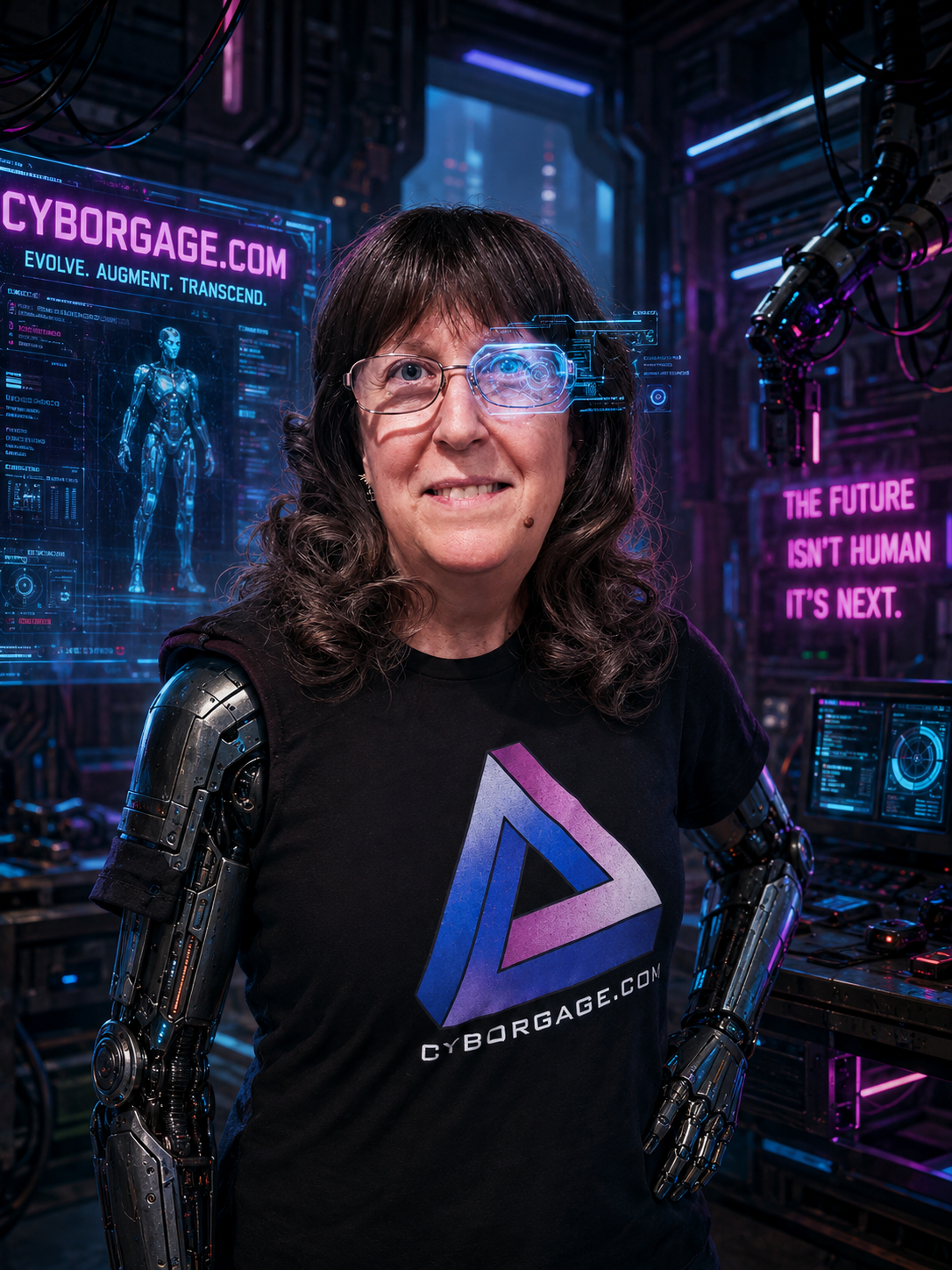
About the Creator
Teri Mueller @sabarm_51394
CyborgAge was founded in 2016 by a lifelong science-fiction fan and author who believes the line between human and machine is the most exciting frontier of our age. By day an insightful writer, by night a collector of cybernetic lore, she built this site to gather the best stories, science, and resources in one place.
Have a correction, a story tip, or just want to talk implants? Feel free to reach out to the maintainer of the site.
- Role: Creator & IP owner — came up with the CyborgAge concept
- Contact: theresa.mueller57@gmail.com
- Since: 2016
- Site maintainer / tech: fefilings@gmail.com
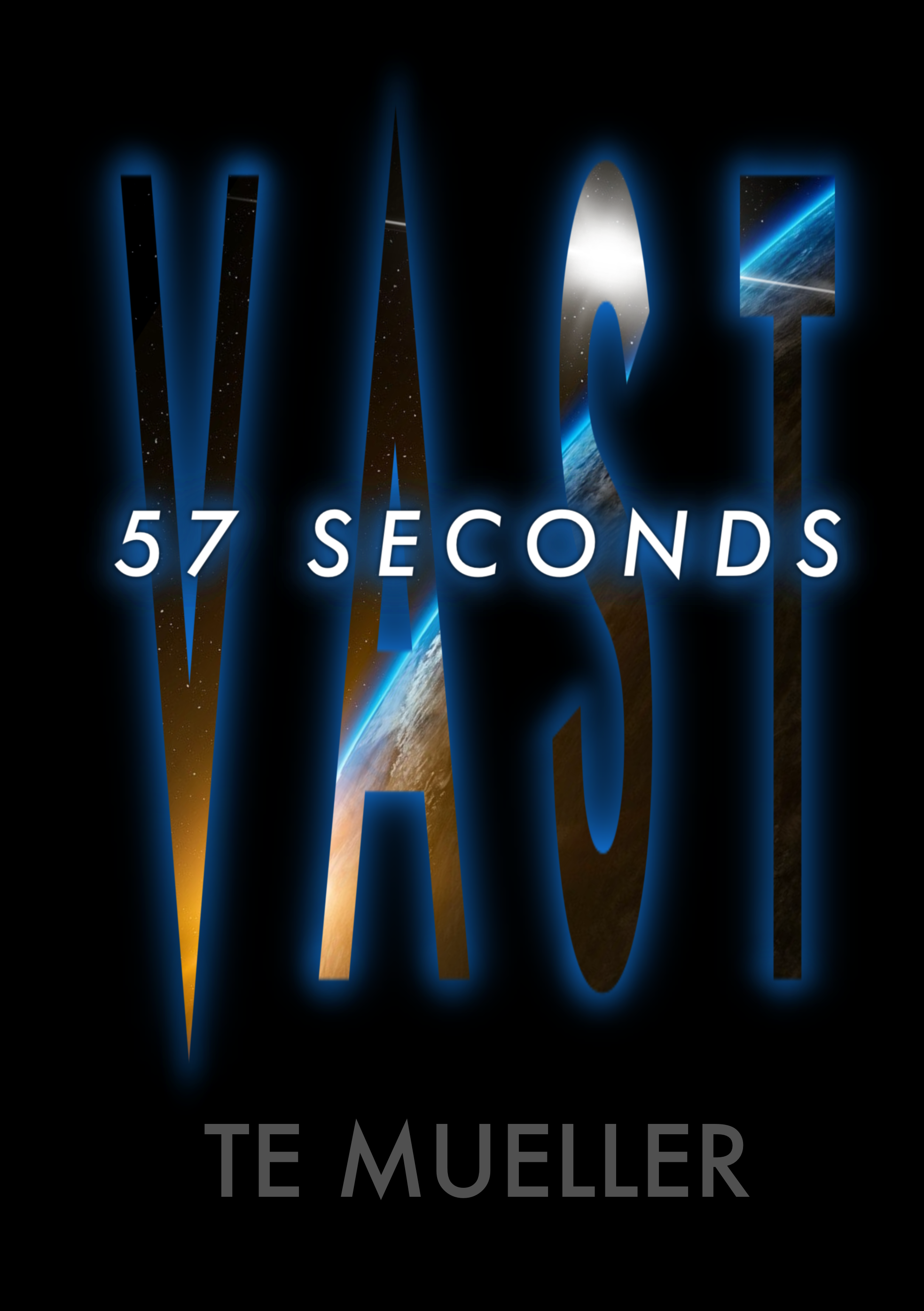
Vast: 57 Seconds (Book One)
An insidious pandemic unleashed by the Solar System’s only ruling power has annihilated the hopes and dreams of humanity. The infestation is unprecedented and irrevocable. Global martial law reigns, and rebellion means swift and certain death. With the dawn of the 22nd century, technology has made it possible to venture farther into space than ever before. But it’s the space within people’s hearts and minds that has been hijacked and corrupted. A scattered family battles to reunite against vast distances and veiled enemies, and they fight to cure the affliction that threatens the world. But will guilt defeat their determination to soldier on? Our hero’s only superpowers are the strength of love and the truth of science. Are those weapons fierce enough to win a war?

Veinfrost: New Haven (Book One)
When the sky shattered and Tenebris Syndrome infected humanity, the Apex Council erected a fortress city encased in silver, steel, and surveillance. Society was reordered by rank, with obedience and silence as the price of survival. The Silver Guard, elite soldiers infused with Argentum, a living alloy designed to reshape and control, protect the city from the horrors beyond its walls.
Cyborg Definition
A cyborg (short for "cybernetic organism") is a being with both biological and artificial (e.g., electronic, mechanical, or robotic) parts. The term was coined in 1960 by Manfred Clynes and Nathan S. Kline in an article about the advantages of self-regulating human-machine systems in outer space.
Today, cyborgs range from individuals with prosthetic limbs or pacemakers to those with advanced neural implants and sensory enhancement devices. The spectrum of cyborgization includes:
- Restorative: Technologies that restore lost or diminished function (e.g., cochlear implants, prosthetic limbs)
- Enhancement: Technologies that exceed normal human capabilities (e.g., night vision implants, magnetic sensors)
- Convenience: Technologies that improve quality of life (e.g., RFID implants for contactless access)
What unites all cyborgs is the integration of technology at the physical level to extend or modify biological capabilities.
Our Mission & Vision
Mission
To educate, inspire, and connect individuals interested in cybernetic technology and human augmentation. We strive to provide accurate, balanced information about the possibilities and implications of becoming more than human through technology.
Vision
A future where individuals have the freedom to modify their bodies as they see fit, where cyborg rights are respected and protected, and where technology serves to expand human potential rather than diminish our humanity.
Types of Cyborgs
Cyborgs come in many forms, depending on the technology used and the purpose of the enhancement. Here are some common categories:
Sensory Augmentation
Enhancements to sight, hearing, touch, taste, or smell, such as:
- Neil Harbisson's antenna that allows him to hear colors
- Night vision and thermal imaging implants
- Magnetic finger implants that sense electromagnetic fields
- Cochlear implants for hearing restoration
- Retinal implants for vision restoration
Motor Augmentation
Enhancements to movement and manipulation, including:
- Advanced prosthetic limbs with neural control
- Exoskeletons for strength enhancement
- Myoelectric controlled prosthetics
- Osseointegrated implants
- Powered orthotics
Cognitive Augmentation
Enhancements to memory, processing speed, or perception:
- Memory enhancement implants
- Neural interfaces for direct brain-computer communication
- EEG headsets for focus and meditation
- Transcranial direct current stimulation (tDCS)
- Smart drugs and nootropics
Communication Augmentation
Enhancements to how we send and receive information:
- Subvocal recognition systems
- Bone conduction audio devices
- Augmented reality displays (like Google Glass)
- Vibrational communication systems
- Implantable communication devices
Sources and References
CyborgAge is built on research and the work of many passionate individuals and organizations. Below are the sources and references that inform the site's content, along with the people who helped make it happen.
Contributors
- Roger Johnson — fefilings.com
- Theresa Mueller — creator & author
- Chappell Dodson III
- Jessica Piekarski
References
Much of the technology and research discussed on this site comes from open-source projects and accessible resources, including:
- OpenBCI (brain-computer interfacing)
- Open Prosthetics
- Arduino/Raspberry Pi projects for DIY cybernetics
- 3D printable prosthetic designs
Special thanks to the pioneers who have shared their cyborg journeys publicly, helping to educate and inspire others.
Contact Us
We'd love to hear from you! Whether you have a story to share, a question about cyborg technology, or want to collaborate, please reach out:
General Inquiries
For questions about the site, content partnerships, or media requests:
Site maintainer / tech
Share Your Story
Have you or someone you know integrated technology with their body? We'd love to feature your experience:
Please include: brief description, type of technology, and what you're comfortable sharing publicly
Site maintainer / tech
Technical Support
If you're experiencing issues with the site or have suggestions for improvement:
Site maintainer / tech
Creator / Concept
For questions about the CyborgAge concept, origins, or the creator herself:
Creator & IP owner
Follow us on social media for the latest updates: